
Robots
Artificial intelligence and humanoid robots
What is artificial intelligence and how does it work? Artificial intelligence is a concept that appeared at the beginning of the 50s, when, little by little…
10 September 2021IRIS Robotics8 min read

Article from 2021. The information may be out of date.
What is artificial intelligence and how does it work?
Artificial intelligence is a concept that appeared at the beginning of the 50s, when, little by little, the use of technology made its presence felt more and more in people's lives. Although artificial intelligence programs are now a much more complex concept, in the beginning, AI (artificial intelligence) was defined as any process performed by a computer or machine that, in the past, was performed and required human intelligence. Today, the notion of artificial intelligence refers to something else entirely. We are no longer talking about the ability of a machine to replace a technical task of a person, but the ability of a system to adapt and function in a new environment so as to come to the aid of people and make their lives easier. They are developed by connecting them to very large databases and constantly training them so that they increase their ability to react to unknown situations and scenarios. Artificial intelligence systems are increasingly varied and used in various fields: sales, marketing, law and even medicine. Moreover, AI is present in everyday life, and the most common and well-known example is the use of virtual assistants on mobile and smart devices. Siri, Alexa and Google's virtual assistant have been developed to perform a range of generalized tasks that adapt to the user's requirements. Among the most used functions are: activating applications by voice commands, answering user questions and automating some commands of smart devices.Artificial intelligence: pros and cons
What are the advantages and disadvantages of developing such a system? Well, given that it's a fairly new thing, still in development, there are pros and cons to using it. Arguments for 1. Accessibility and availability 24/7 Artificial intelligence programs are developed in such a way that they replace the human resource when it is not available, as well as being a service available to everyone, 24 hours a day, 7 days a week. Moreover, these once installed on smart devices are available to anyone, regardless of their training. 2. Improves efficiency and performance Artificial intelligence systems by being automated and built through coding systems have a much higher degree of performance and effectiveness than a person would have, thus avoiding human errors in data collection. Thus, it will generate data with great accuracy and objectivity, and more than that they can replace the human resource in the moments when it is unable to work. 3. It helps to minimize human errors No matter how professional and prepared a specialist is in any field, human errors can occur at any time. Thus, artificial intelligence programs, by the fact that they work on the same formula they were set on, cannot fail. Arguments against 1. High production costs The tech field is a field that requires consistent and constant investments to be able to deliver a final product: whether we are talking about an application, a software or a robot. Thus, to use artificial intelligence requires a lot of patience, time and money. 2. Lost jobs People's main fear about AI robots is that they will replace them and lose their jobs. With time and the evolution of the field, some jobs will move to the digital domain, but this transition will be gradual and somewhat natural, which is why, at the moment, it is very unlikely that a job will be completely replaced and people will lose their jobs. 3. Human errors in the design of artificial intelligence systems Devices that use AI mechanisms are designed by engineers, which is why there are quite high chances that they will report errors. However, any created object improves through testing and feedback. 4. They have no feelings or emotions Although artificial intelligence systems are created to take over some of the things that humans do, they will never be able to replace human emotions.Artificial intelligence in everyday life
In the era where tech is an integrated part of everyday life, artificial intelligence has gained more and more ground. Thus, it is used and integrated both within more complex processes and within daily processes. We can no longer speak of a separation of processes, given the fact that even within social networks, such as Facebook, Instagram or Snapchat, AI systems have been integrated and are constantly used: from notifications to the diversity of necessary service recommendations. Among the most used applications of everyday AI are:- recognition of people in photos;
- object recognition with the help of applications;
- security systems based on fingerprint or facial scanning;
- Product recommendations based on consumer preferences;
- card fraud identification;
- The use of robots in domestic use.
What does an AI robot do?
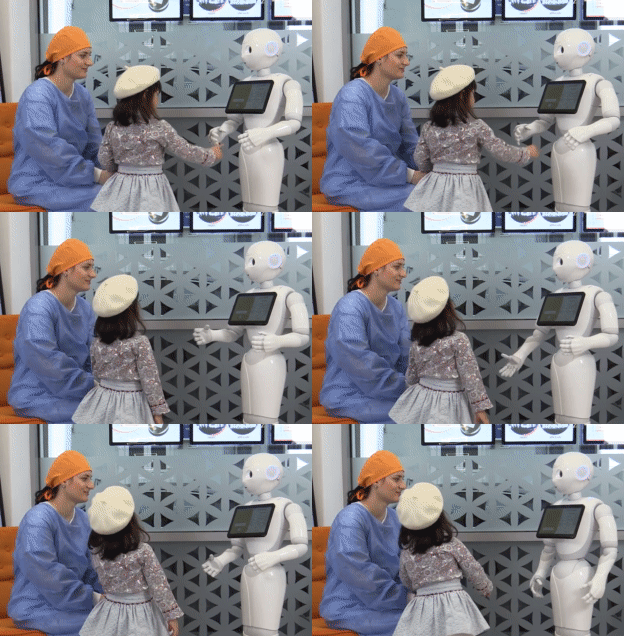
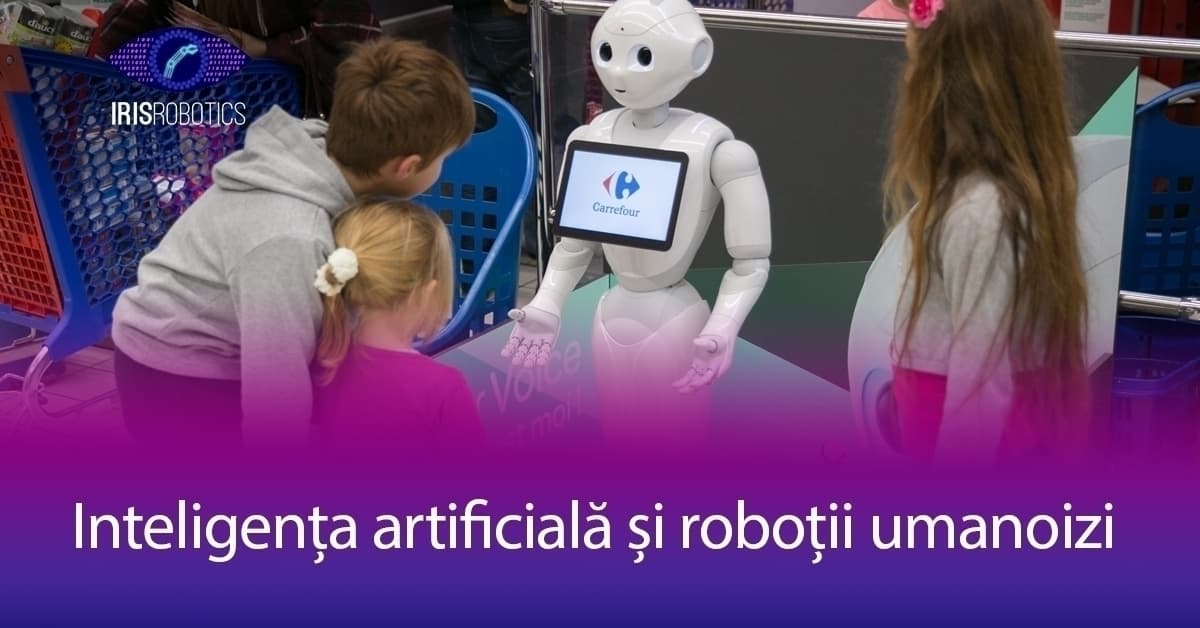
Humanoid robots have represented a real advance in the field of tech and artificial intelligence. This shift towards humanization started from people's desire/need to have common and familiar elements in their environment. Thus, developers and programmers are constantly working to build and design robots as humanly as possible, endowing them with human functions: the ability to move, move their arms, and interact when sensors identify another human being. These features encourage interlocutors to initiate communication and interaction sessions with robots. In order for humanoid robots to be able to achieve the aforementioned, they have been built and equipped with artificial intelligence systems. Thus, depending on the field in which they are used, they have been trained and connected to databases to help human resources with repetitive tasks. Specifically, if you want it to learn about you and your company, you integrate a knowledge base into the robot's algorithm that it will use based on the interactions it will have with people. Even if people come up with questions that don't exist in the standard database you've created, robots use the Internet and available resources to give people the most complete answers. Although some may believe that they are built to replace jobs, robots do not have this capability at this time, but only come as a substitute in the work of employees, so that they can focus on more complex tasks that require more attention and maybe even creativity. A concrete example from Romania is Unident, which has integrated Humanoid Robots in every Premium Dental Clinic it owns. Unident purchased Pepper humanoid robots to improve communication with their patients. You can read the Unident success story here.To better understand how humanoid robots use artificial intelligence, I have prepared 4 concrete examples below.
- For questions that are not in the database or are not in the category of frequent ones.
- Facial recognition.
- Recognition of the protective mask.
- NLP = natural language processing


